

Truffle: Staying true to form
I had a chat with Truffle Asset Management CIO Iain Power about how the firm has maintained its ethos and investment approach through a period of massive growth.


Over the past decade, Truffle Asset Management has enjoyed extraordinary growth.
Driven by outstanding investment performance, the firm has seen its assets under management surpass R100bn, and has more than doubled its total staff from 16 to 38.
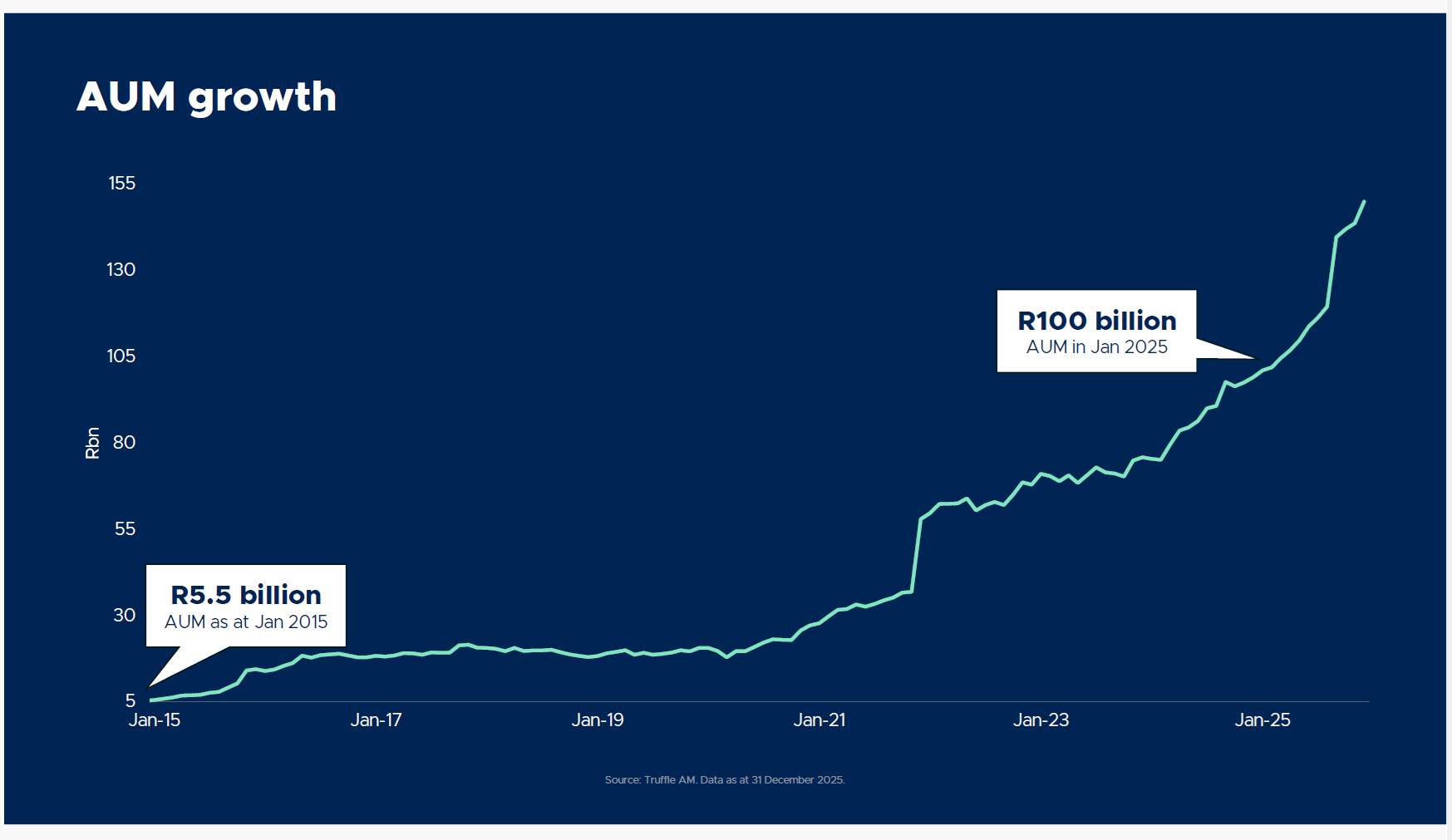
As impressive as this success has been, the questions it raises are inevitable: If so much has changed, is it still the same business, able to generate the same returns for investors? Does this growth dilute the strength of its investment proposition, both through reducing its opportunity set and clouding decision-making?
Based on how well Truffle’s funds performed last year, there’s certainly no evidence of this. And CIO Iain Power says he is very conscious of ensuring that remains the case.
“We put a lot of effort into retaining our DNA and ethos – the owner-managed, flat structure, and open-access, type of environment,” Power says. “As you grow and bring more people into the business, they don’t have that institutional memory, so you have to meet the challenge of integrating them.”
“Our philosophy is when you come in with a fresh pair of eyes and you see something that will benefit clients or business, we want to hear about it.”
An essential part of this, in Power’s view, is an emphasis on giving everyone in the business agency.
“We don’t have a lot of titles; we have open-door policies; and we encourage new people to contribute to investment meetings or other forums, wherever they are in the business,” Power says. “Our philosophy is when you come in with a fresh pair of eyes and you see something that will benefit clients or business, we want to hear about it.
“What I say to everyone is that if you can spin your wheel in your area of competence slightly faster every year, when we put all these wheels together the big wheel turns a bit faster and we get a bit better than we were last year.”
Attracting talent
Thanks to the reputation it has built, Truffle has also been able to be highly selective in who it hires. And in bringing in this new talent, Power says the quality they prioritised most is passion.
“There are lots of people with great CVs and good marks, but we are looking for those who are inquisitive, who like to turn over stones to see what’s underneath; and they have to have passion,” he says. “The question I always ask is: ‘What drives you?’
“It doesn’t have to be markets. It could be a passion for literature. But inevitably passionate people just do better because they are really interested in life, in reading, in finding stuff out. It’s those people who make good assets to your business.”
The second quality Truffle has insisted on finding in new employees is a sense of responsibility.
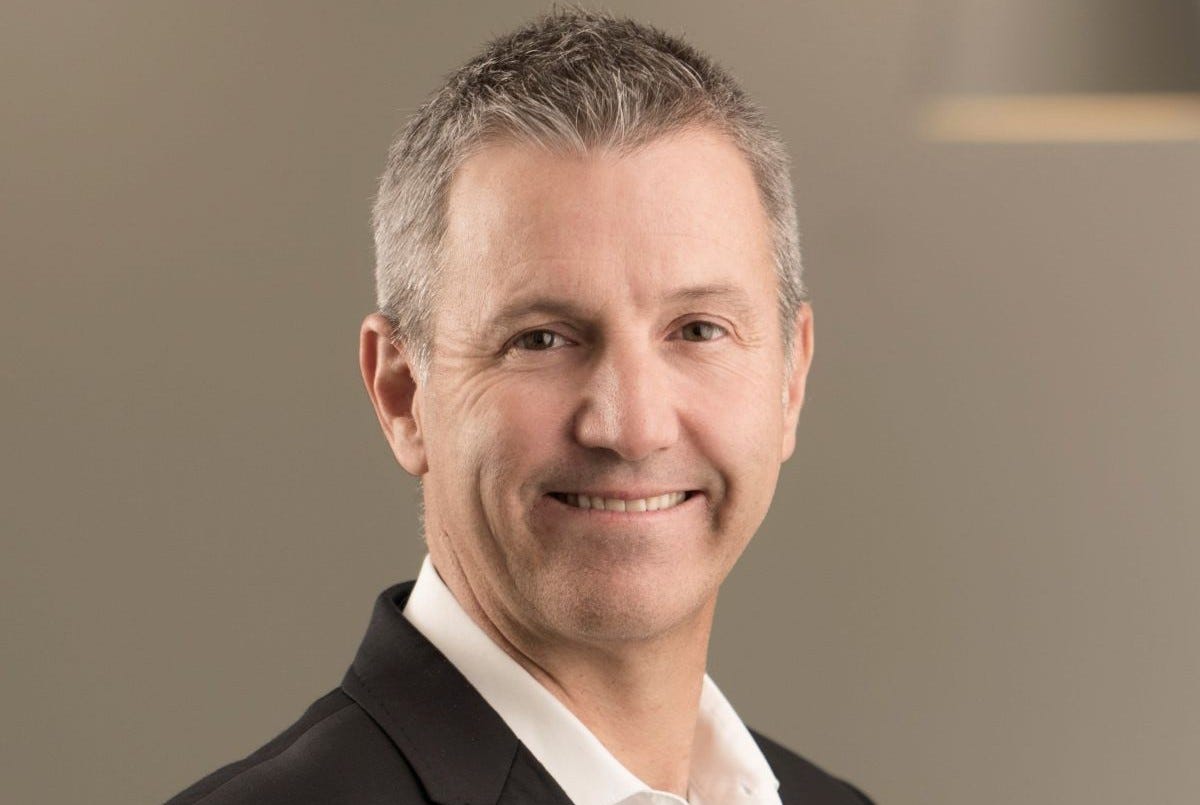
“We want people who see and understand their impact on others,” Power (pictured above) says. “To be clever is one thing, but we work in teams, we work with clients, and you need to understand who you are, how you impact others, how people see you, how you see yourself, and if those are congruent.”
This is vital in a setting where the entire investment team – now 17 people – constitutes Truffle’s investment committee. Everyone needs to have responsibility, and to be heard.
“Analysts are responsible for their sectors – they are the champions for calling out opportunities and when to act,” Power says. “They have a place to speak, and it’s important that they are the ones who drive that.
“In curating that discussion, we have to balance giving everyone a chance to contribute, but to also keep focus and make sure that we still have a decent discussion.”
He believes that the firm’s incentive structures are also a critical part of ensuring Truffle’s owner-managed culture remains intact.
“We aim to give senior employees equity, which we believe is a key contributor to long-term success,” Power says. “I’ve seen how this gives them a sense of ownership. They start thinking about it in slightly different terms: if our clients do well, we do well. So, how we do create that alignment?”
The growth conundrum
Power adds that, increasingly, clients are asking them about the scale of their growth and whether there is a size beyond which they wouldn’t want to grow.
“Asset growth is less important than delivering performance for clients,” Power says. “We want to keep our alpha signature, which is more or less 3.5% over time. As long as we can maintain that without losing any flexibility and nimbleness, we are still in a good space.”
He adds that an internal analysis they did last year indicated that over 90% of Truffle’s equity alpha came from large-cap or highly liquid shares. This suggests that their ability to maintain that performance is not yet constrained.
“If we added another R100bn, that would affect our investable universe and our ability to trade.”
“That said, we don’t see ourselves as a mega manager at all, because inevitably the bigger you get your alpha signature will change,” Power says. “If we added another R100bn, that would affect our investable universe and our ability to trade.”
It’s also important, in his view, to be mindful of the industry environment and the increasing need to balance nimbleness with the imperative of scale.
“The costs inside asset management businesses in terms of regulation, compliance, and systems are significant,” Power says. “You need to have some scale to be able to do things properly and give clients peace of mind. That is the other side of that equation. You want to have some critical mass.”
